





NATURE COMES FIRST
GALAMSEY IN GHANA
Pollution of drinking water and soil caused by the illegal use of mercury
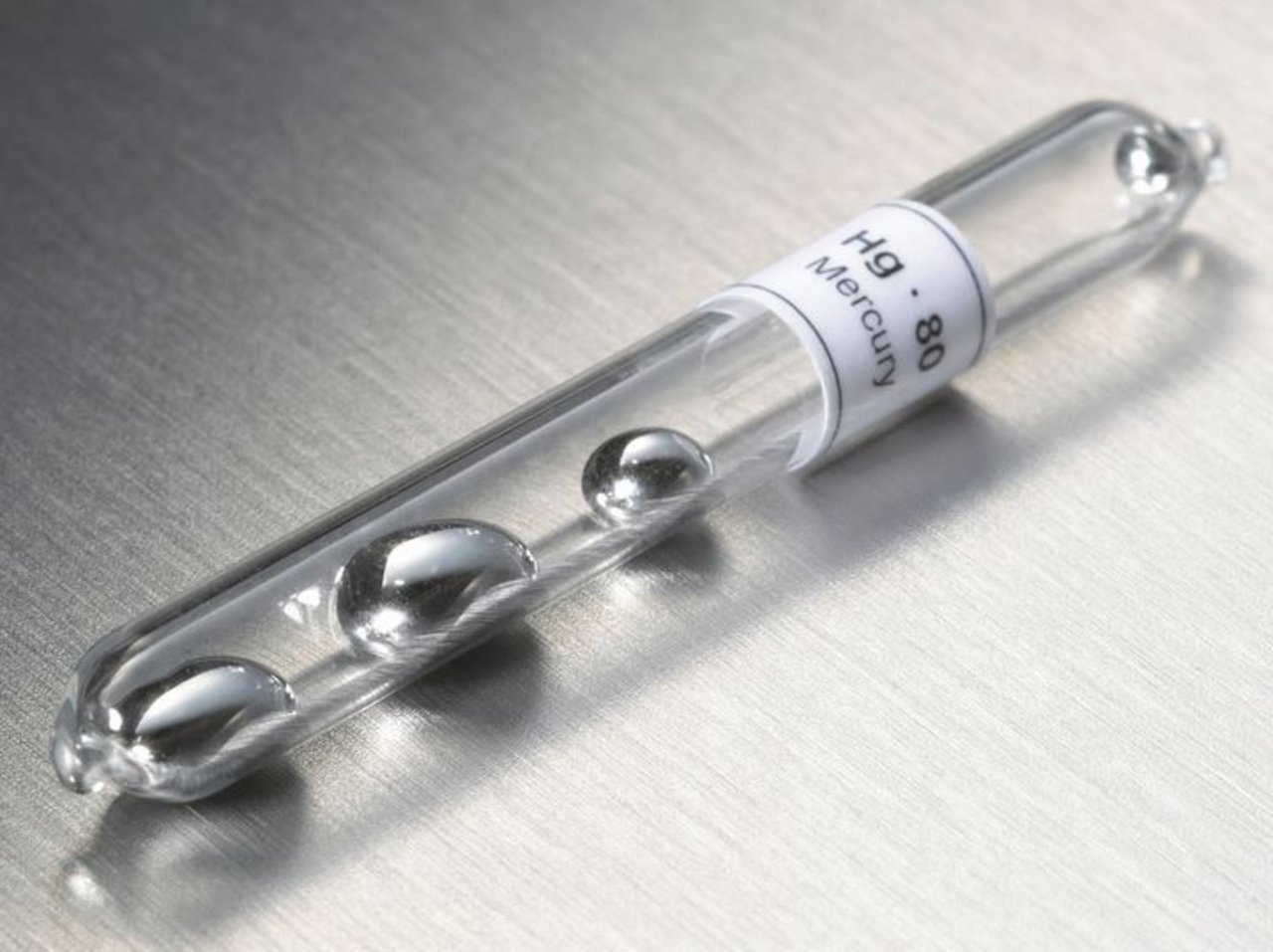
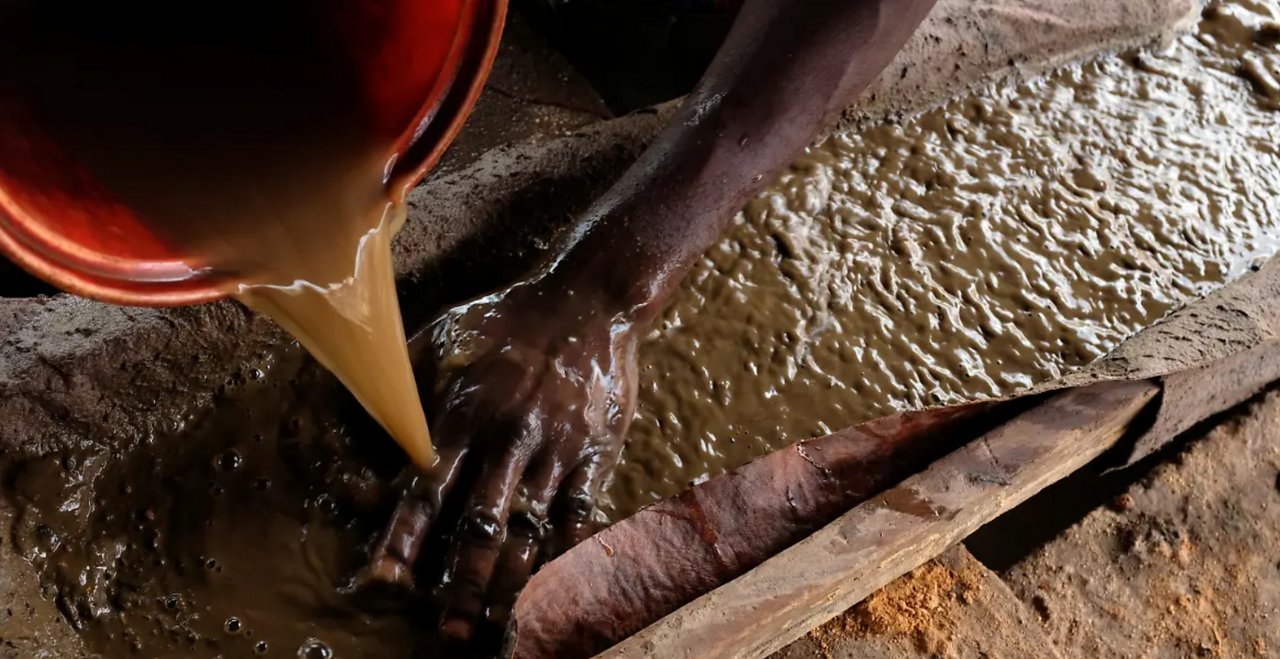
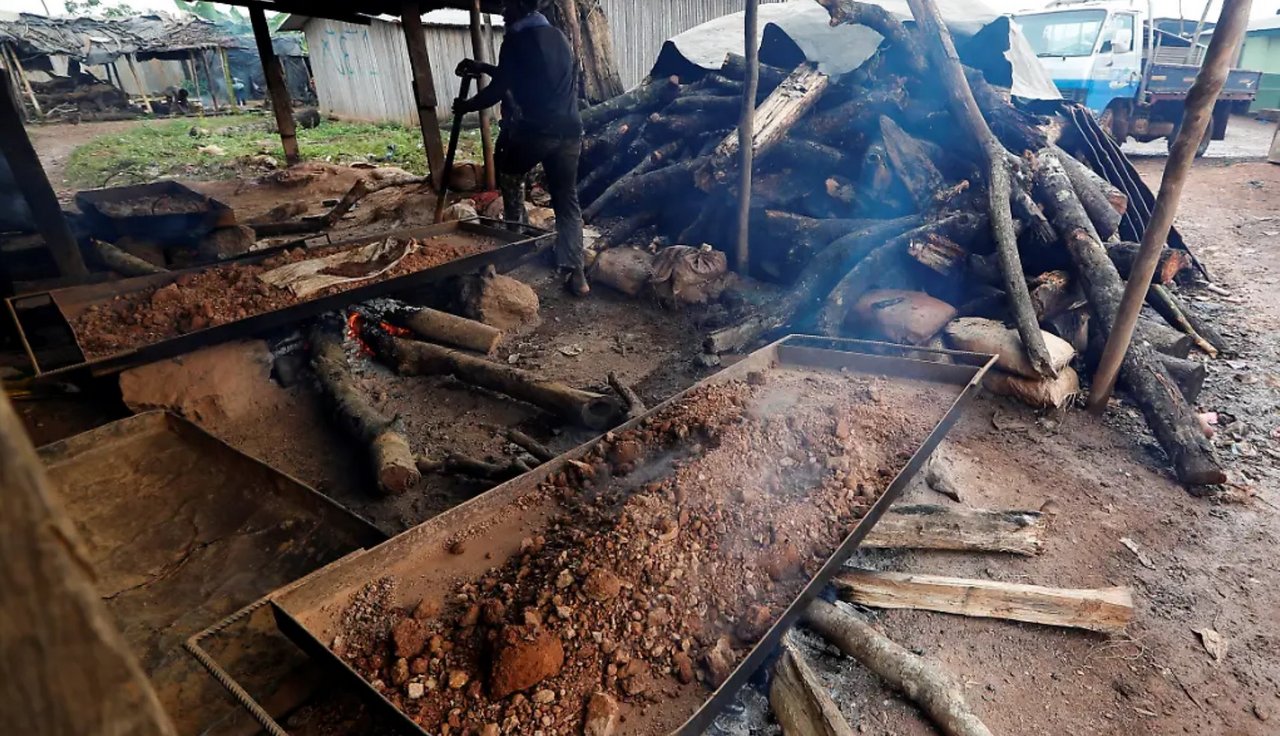
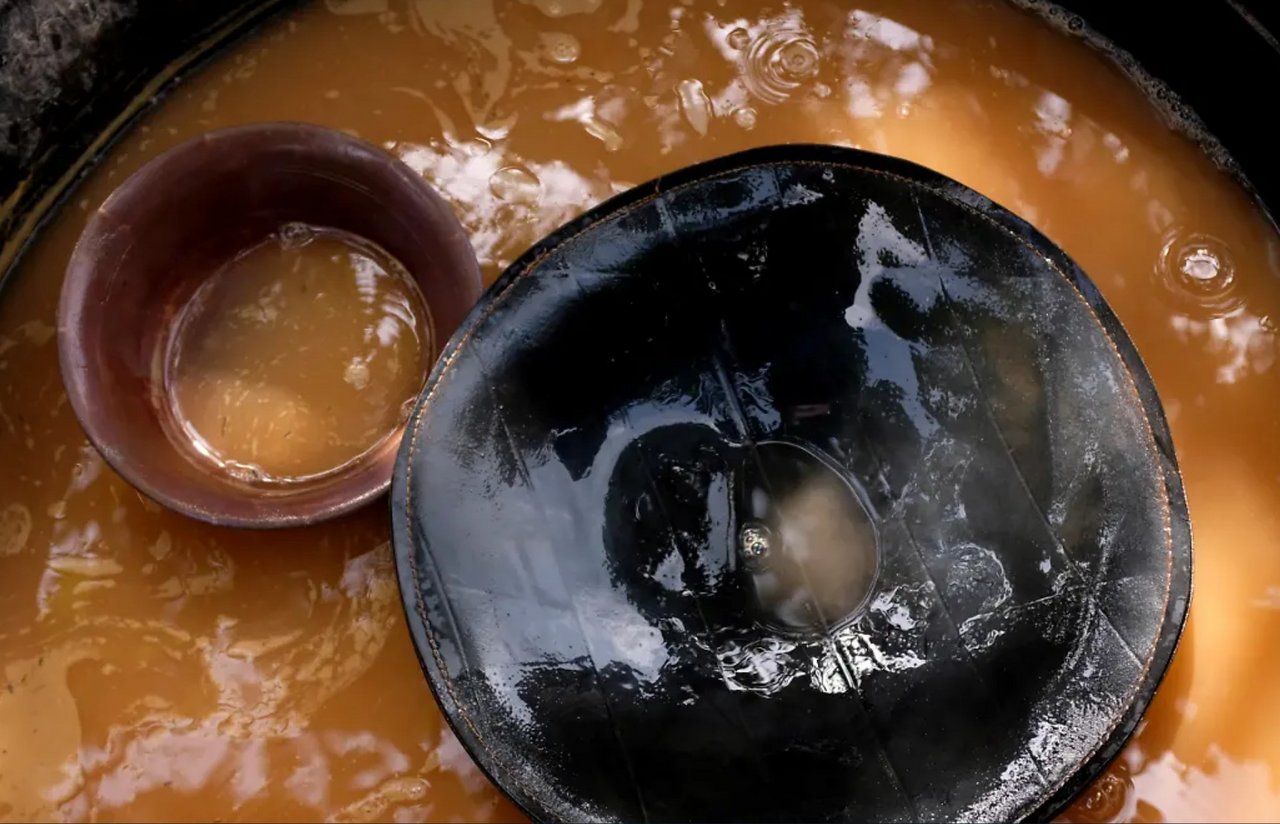
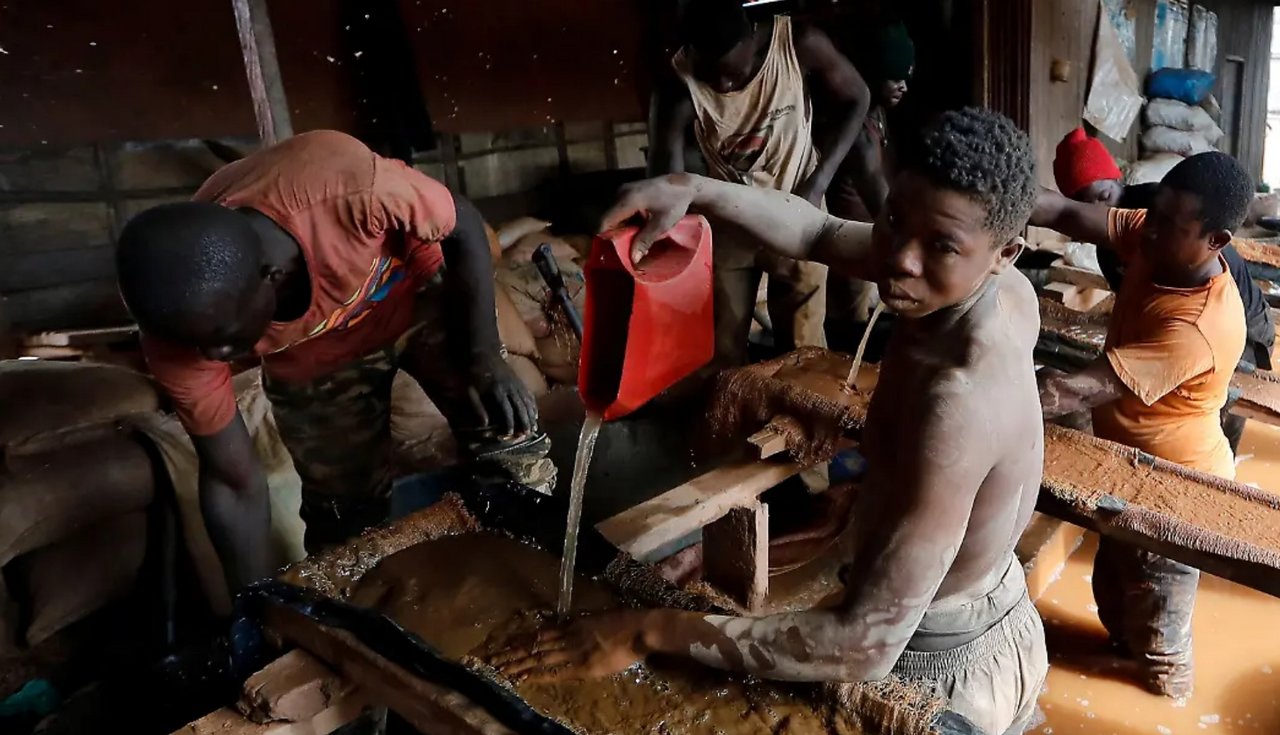
Galamsey – that is, illegal small-scale gold mining in Ghana – often involves the use of mercury, which contaminates drinking water and soil, thereby posing serious health risks to local communities. This contamination can lead to toxic levels of mercury in water bodies and on agricultural land, endangering both human health and the environment. This practice has a significant impact on the environment and health, primarily due to the use of toxic substances such as mercury.
A FAILURE ON THE PART OF THE COMPETENT AUTHORITY
WHICH COULD AND SHOULD PUT AN IMMEDIATE STOP TO THIS THROUGH STRICT MONITORING
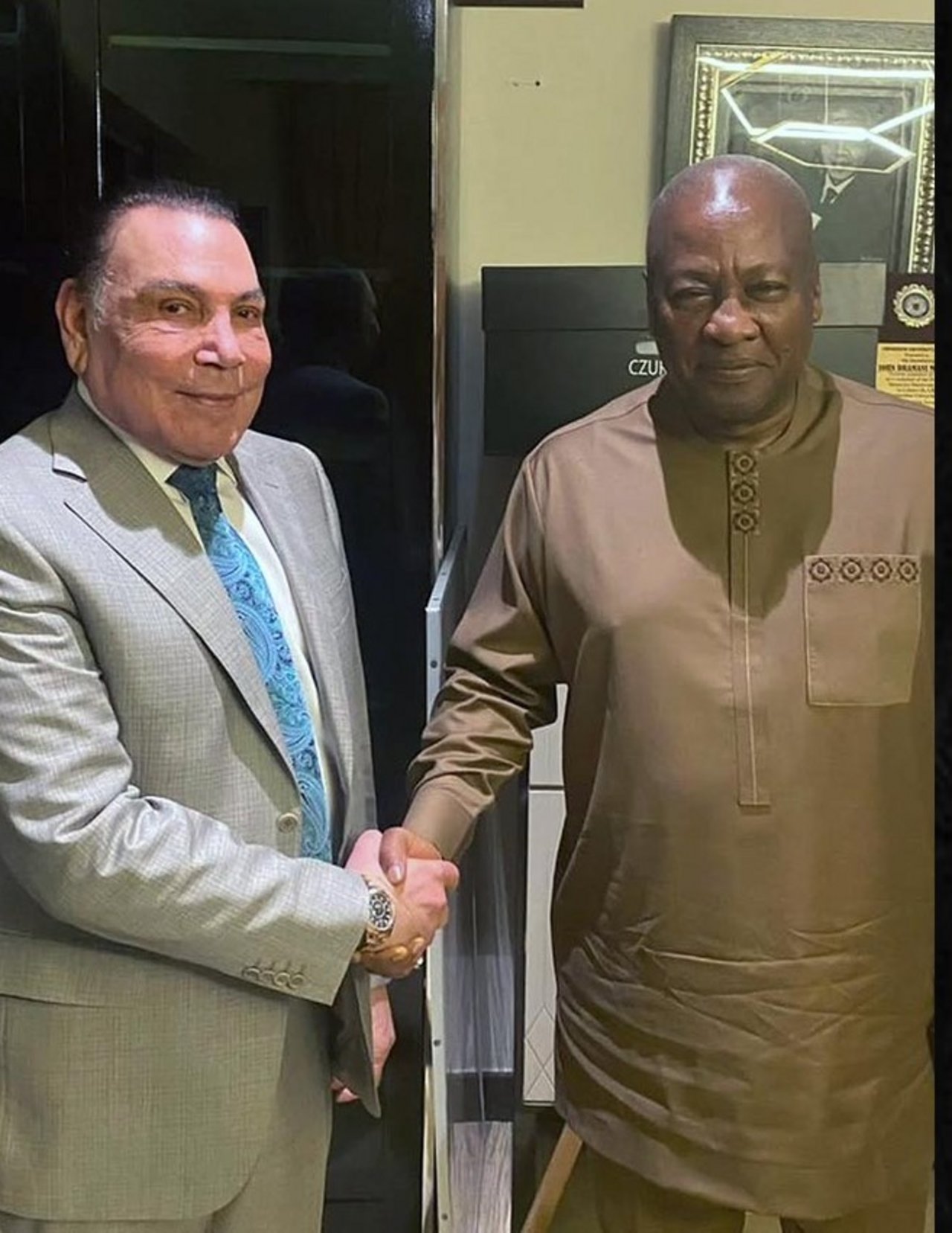
Dr. Said Deraz a businessman from Egypt seems to be allowed to do as he pleases in Ghana
HERE, TOO, MONEY SEEMS TO BE MORE TEMPTING THAN THE HEALTH OF THE COUNTRY’S OWN POPULATION
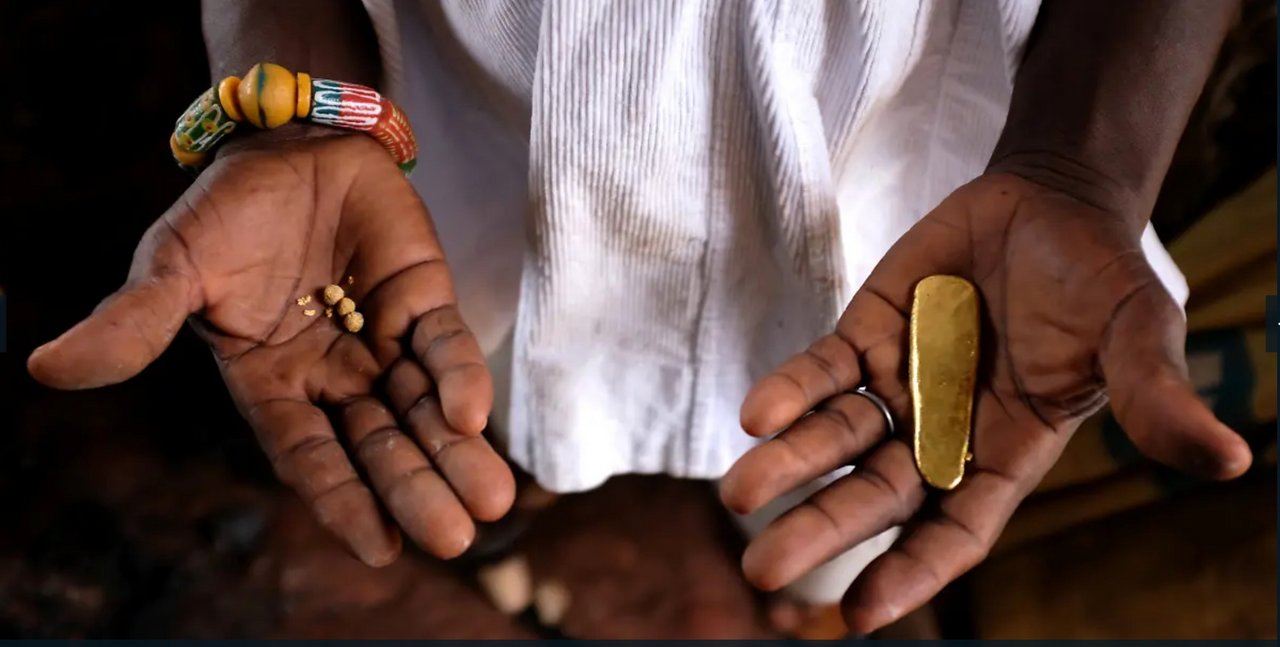
If things go well, gold prospectors can earn up to 300 US dollars in a week
Those working on a cocoa plantation sometimes earn as little as 5 dollars a week
Health risks from mercury exposure
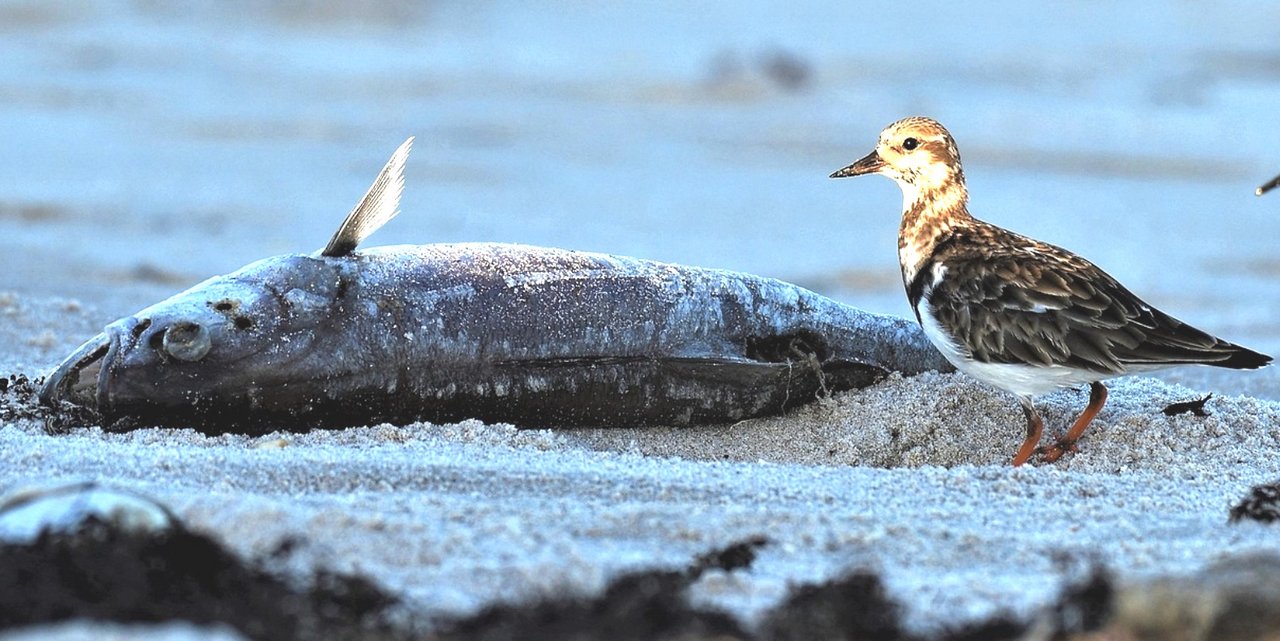
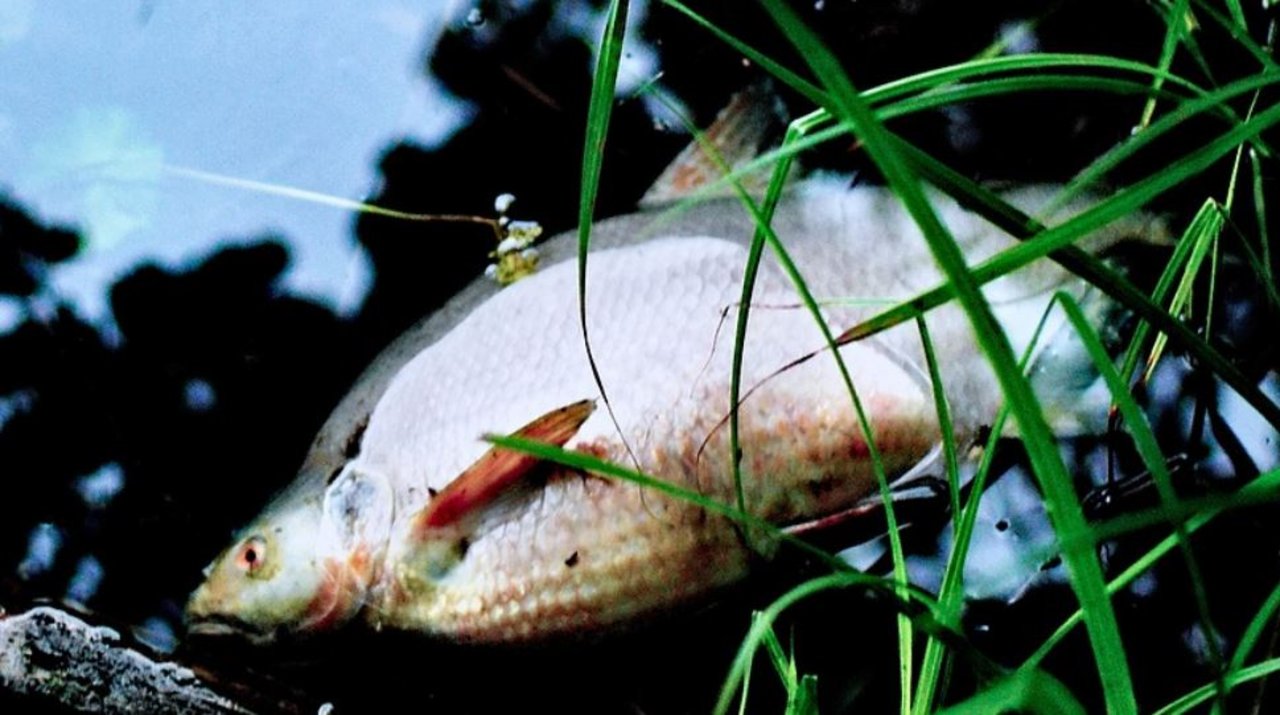
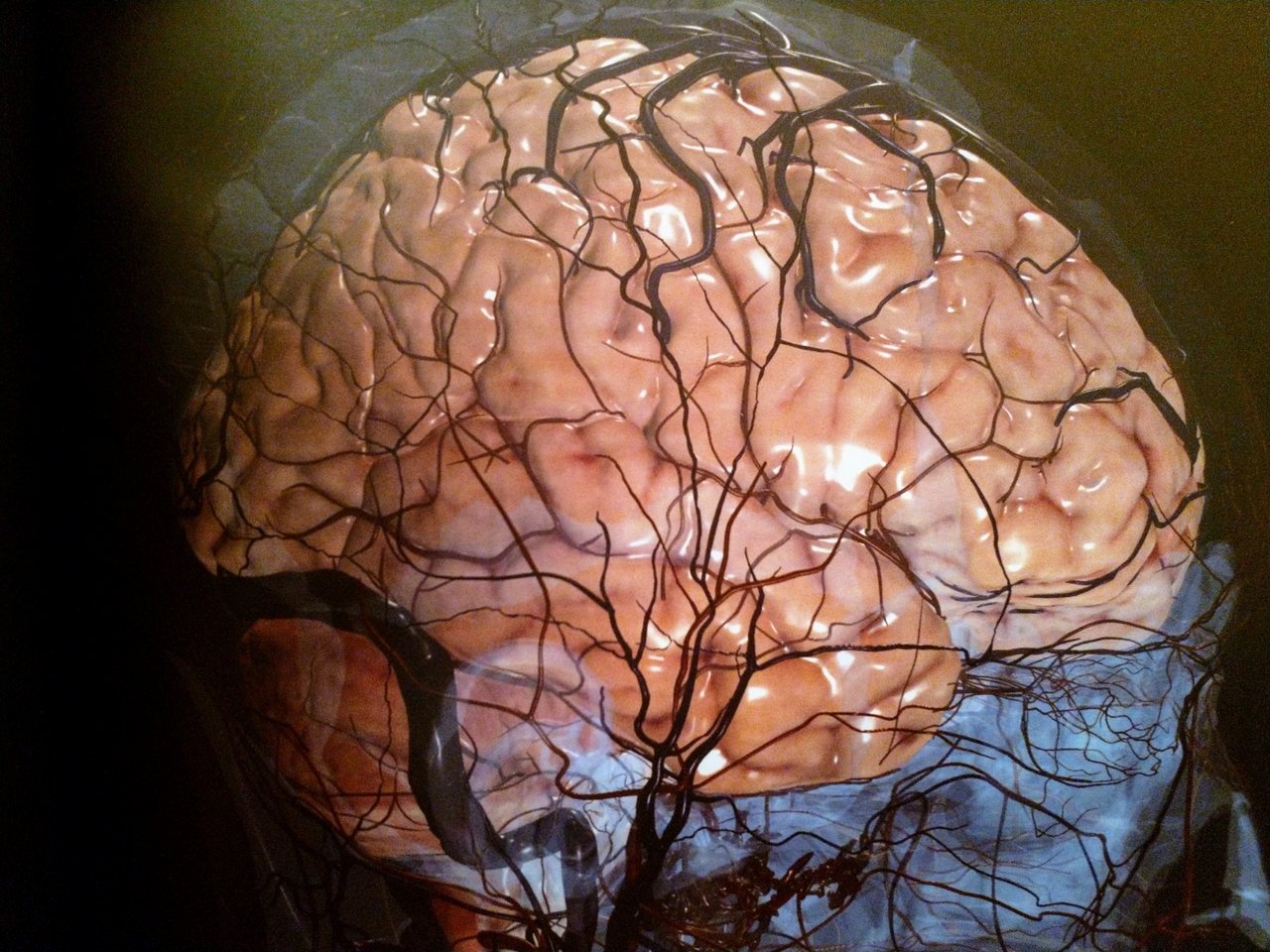
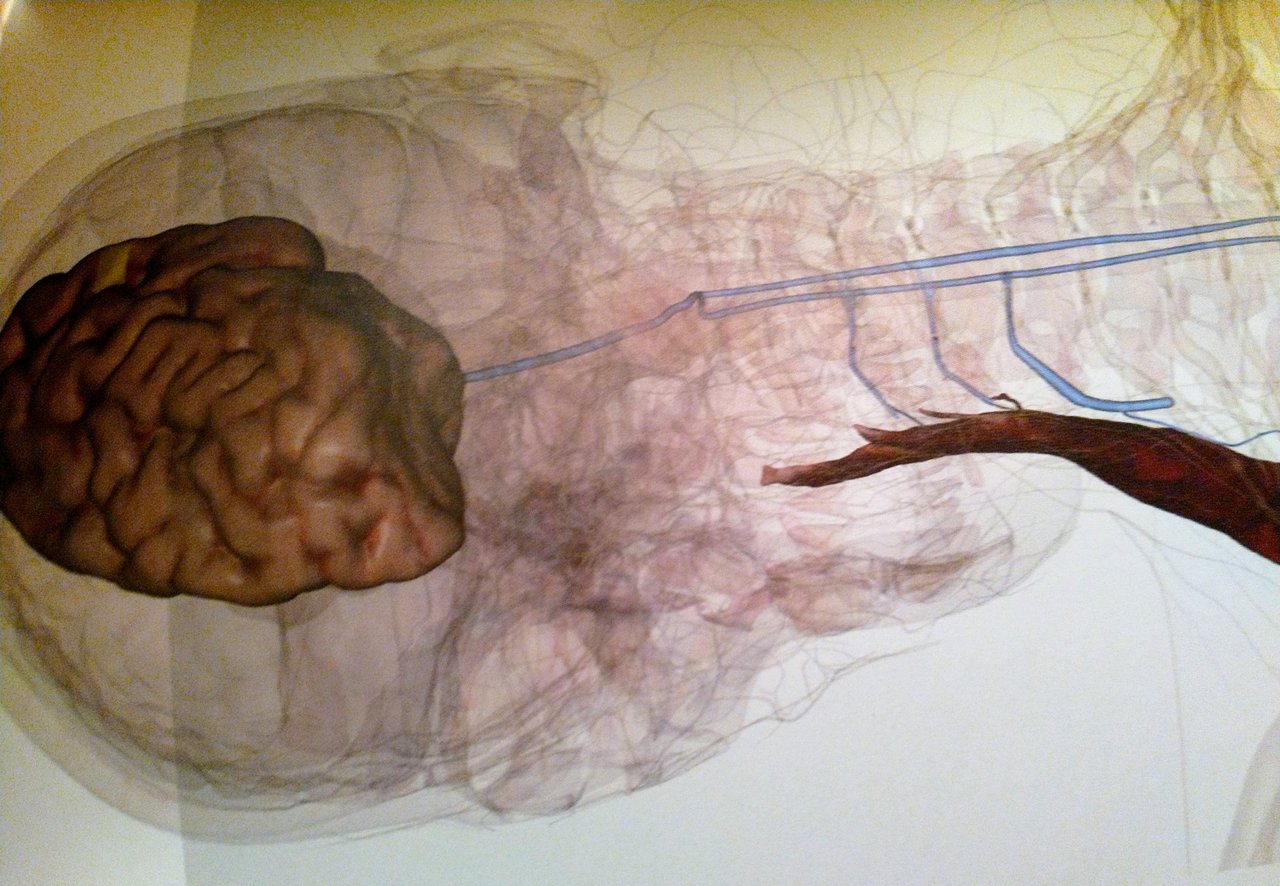
Mercury has been proven to cause brain damage, serious illnesses and birth defects. The toxic metal has caused serious harm to thousands of children in Indonesia. It has contaminated rivers throughout the Amazon region and triggered a humanitarian crisis for Brazil’s largest indigenous tribe. Worldwide, doctors have long warned against eating certain fish because the liquid metal enters the ocean and the food chain. Microbes can methylate mercury. This includes microbes in the human large intestine. In this organic form – alongside inorganic mercury – it is absorbed and accumulated by fish and crustaceans. Fish-based foods therefore also pose a risk to human health.
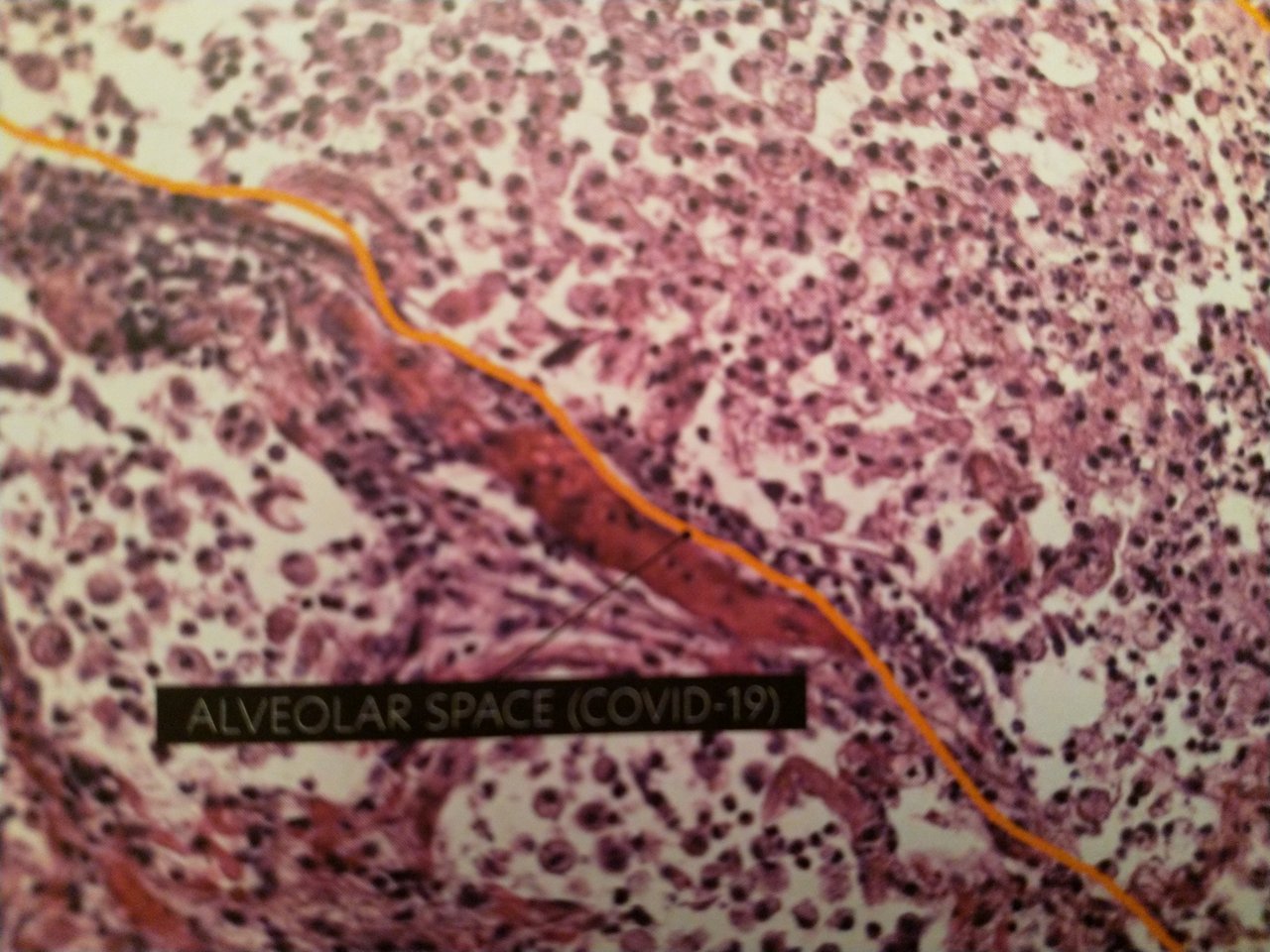
Dust and hazardous chemicals damage the lungs of gold miners. It causes birth defects and has reduced average life expectancy by two years. Mercury vapours are readily absorbed by the lungs.
ACUTE SYMPTOMS OF POISONING
The initial symptoms vary depending on the route of exposure and the mercury compound involved.
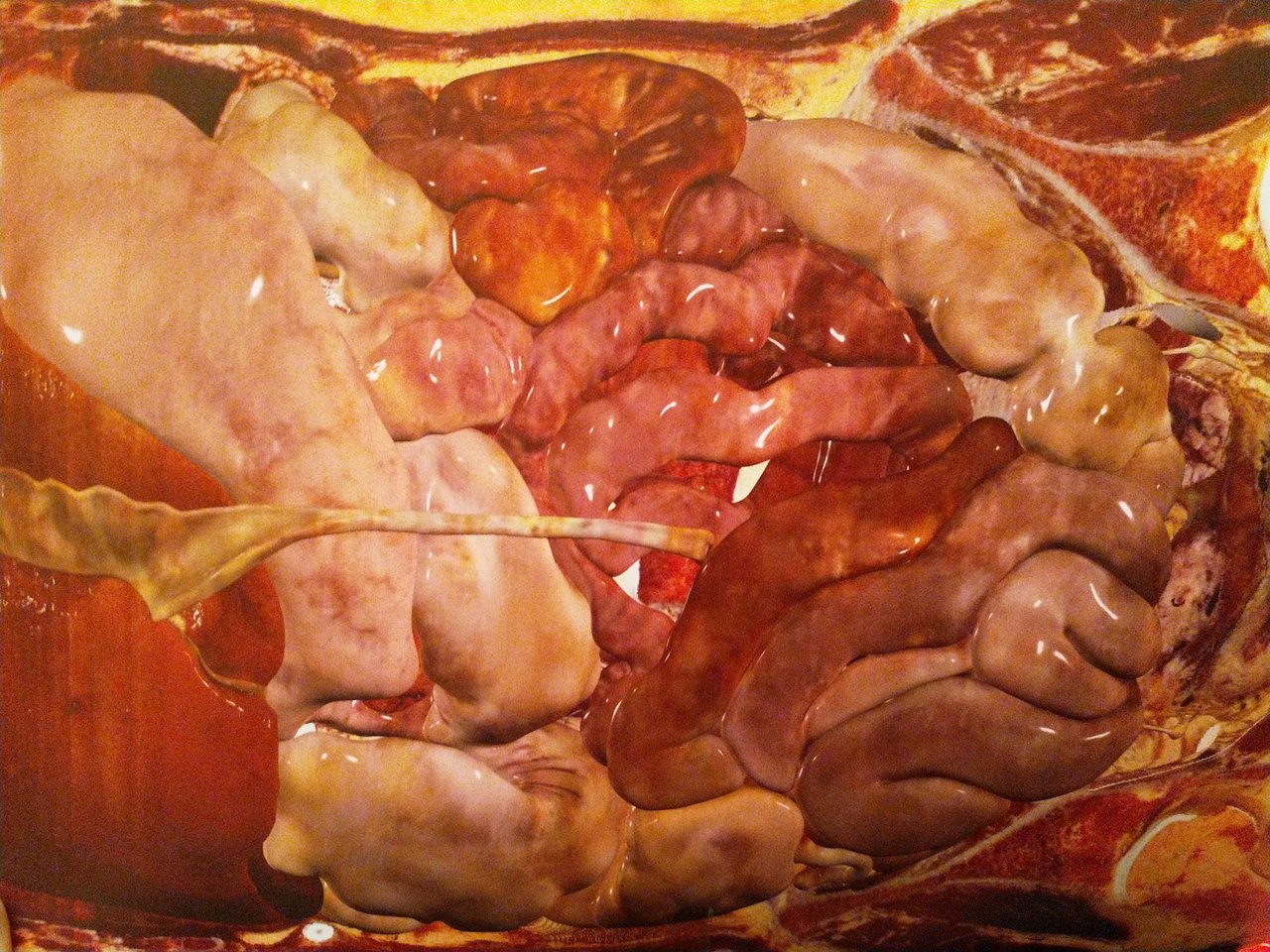
Inhalation of high concentrations of vapour leads to delayed onset of nausea and a strong metallic taste. This is followed by colic and vomiting. An extremely severe form of gastroenteritis, common to all cases of mercury poisoning, persists for many hours. It leads to loss of protein and electrolytes, which is associated with signs of dehydration and circulatory problems.
The kidneys react within a few hours with polyuria, followed by oliguria. In severe cases, this is followed by anuria with uraemia and its serious consequences, which lead to death between the 3rd and 8th day.
SYMPTOMS OF CHRONIC MERCURY POISONING – MERCURIALISM
- Mercury line HgS deposits in the gums
- Ptyalism
- Swelling of the parotid glands
- Stromatitis mercurialis
- Ulceration
- Psychasthenia
- Difficulty concentrating
- Tremor mercurialis - Intentional tremor, shaky handwriting
- Speech disorders - Stammering = Psellismus mercurialis
Most countries in the world therefore signed the international Minamata Convention in 2013, in which they committed to phasing out the use of mercury worldwide
Causes of pollution
• Mercury use: Small-scale miners use mercury to extract gold from ore. During this process, mercury is released into the environment.
• Contaminated water: Mercury seeps into rivers and groundwater, thereby compromising drinking water sources.
• Soil pollution: Mining activities lead to heavy metal contamination of agricultural land.
Health impacts
• Toxicity levels: Communities near Galamsey sites often have elevated mercury levels in water and soil.
Environmental consequences
Affected areas
• Water bodies: Mercury levels exceeding safety limits have been measured in rivers such as the Pra and the Ankobra.
• Agricultural land: Contaminated irrigation water is affecting crop yields
BENEFICIARIES
Largest Gold-Holding Nations
Firstly, there was only one change amongst the top five. The USA remains in first place in the official rankings with 8,133.5 tonnes, followed by Germany with 3,350.3 tonnes. Italy (2,451.8 t) and France (2,437 t) follow in the next places. In contrast, Russia’s gold reserves are reported to have fallen by 3.1 tonnes to 2,326.5 tonnes.
China’s latest gold purchases have been taken into account. Last month, 1.9 tonnes were added, bringing the total to 2,302.3 tonnes. The value of the gold rose to a new record high of 253 billion US dollars.
Continuous purchases
For the first time in more than five years, Bulgaria has made substantial gold purchases. The WGC reports an increase in reserves of 2.1 tonnes to 42.9 tonnes.
Meanwhile, Turkey’s gold reserves rose by 1.9 tonnes to 639 tonnes. These figures relate solely to the government’s gold reserves. The Turkish Central Bank (TCMB) reported total reserves of 797 tonnes for August.
Some countries do not provide regular updates on their national gold holdings. These include, amongst others, countries such as Iran, Israel and North Korea.
By the end of 2024, around 216,265 tonnes of gold had been mined worldwide and were available above ground. This enormous quantity is distributed very unevenly across the various sectors of the economy. According to data from the World Gold Council, the largest share is in the jewellery industry, at around 97,149 tonnes, which corresponds to approximately 45 per cent. In addition, around 22 per cent, or just over 48,634 tonnes, is accounted for by physical investment forms such as bars, coins and gold ETFs.
Central banks and the so-called official sector hold around 37,755 tonnes, or 17 per cent of the total. The remaining 15 per cent (around 32,727 tonnes) is used in industrial applications and other forms of gold ownership, such as in electronics, dental technology or unprocessed material stocks.
Whilst the sectoral breakdown illustrates the economic uses of gold, it is worth examining the ownership perspective. Here it becomes clear that the vast majority of gold is held privately, whilst only a smaller proportion is in state hands.
The private sector accounts for around 178,510 tonnes – equivalent to approximately 83 per cent of the world’s gold. This includes jewellery, private investments in bars, coins and ETFs, as well as industrial and other applications. The government or official sector, by contrast, holds around 37,755 tonnes, or 17 per cent of global reserves. This amount is held in the vaults of central banks or international institutions such as the International Monetary Fund and serves as a reserve stock
A look at the geographical distribution shows that the distribution varies depending on the category. This is particularly evident in the case of central banks: the largest government gold reserves are still held by the USA, with more than 8,100 tonnes, followed by Germany with over 3,300 tonnes. Italy and France also hold more than 2,400 tonnes each. In Asia, countries such as China, India, Turkey and Russia have been steadily catching up for several years and are continuing to expand their holdings through ongoing net purchases. Whilst the bulk of official reserves therefore remains concentrated in Europe and North America, the momentum of new acquisitions is clearly driven by Asia.
Gold: Central bank reserves summarised
• USA: approx. 8,133 t
• Germany: approx. 3,353 t
• Italy: approx. 2,452 t
• France: approx. 2,437 t
• Russia: approx. 2,332 t
• China: approx. 2,235 t (officially reported; unofficial estimates suggest a higher figure in some cases)
• Switzerland: approx. 1,040 t
• Japan: approx. 846 t
• India: approx. 822 t
• Netherlands: approx. 612 t
• Turkey: approx. 479 t